Why Early Detection Matters at Your General Dentist in Aurora
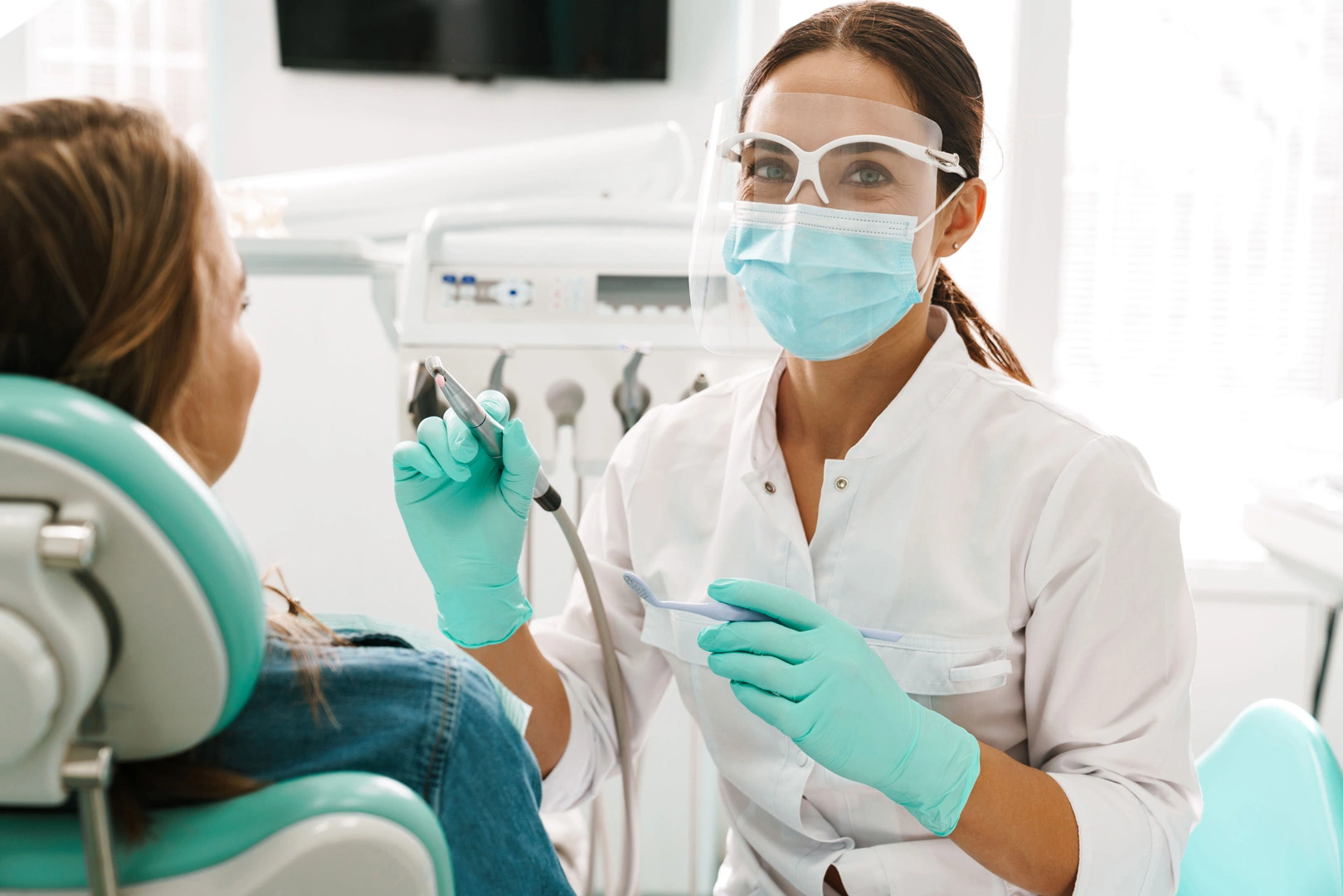
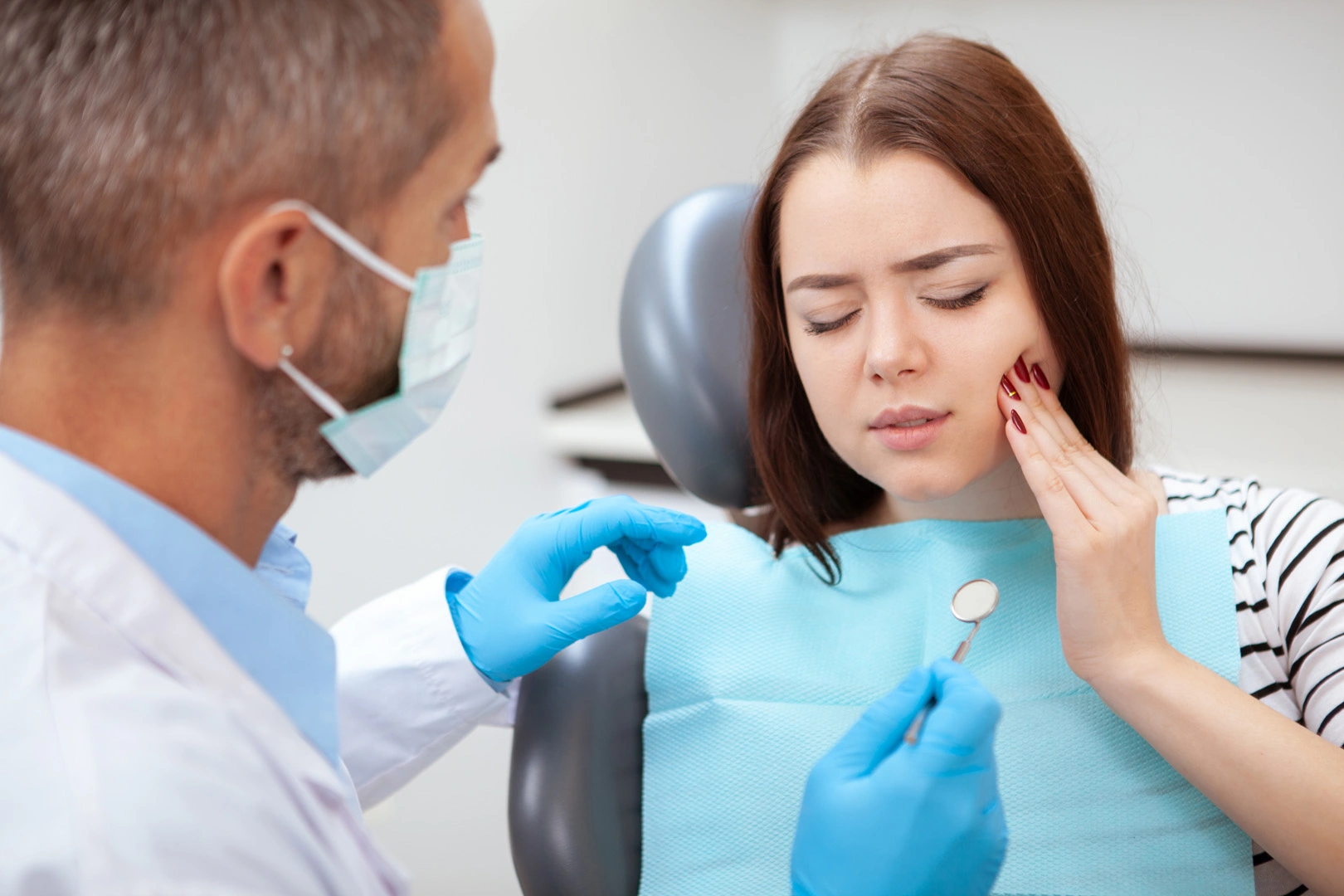
Most dental problems do not begin with pain. They begin quietly, often with changes so small that a patient would never notice them at home. A faint white spot near the gumline. A tiny shadow between two back teeth. Gums that bleed just a little when flossing. A filling that still feels fine but has started to leak at the edges. These are the moments when early detection matters most, because they are the moments when treatment is usually simpler, less invasive, and less expensive.
That is one of the most important roles of a general dentist. People often think of dental visits as cleanings, quick exams, or the place to go when something hurts. In day-to-day practice, though, much of the value lies in spotting change before it turns into damage. A skilled provider is not just looking for cavities. They are tracking patterns over time, comparing old X-rays to new ones, checking tissues that most patients never see clearly, and paying attention to subtle clues that can General Dentist Aurora alter the course of care.
For patients searching for a General Dentist Aurora families can rely on, this preventive side of dentistry deserves more attention than it usually gets. It is easy to delay an appointment when you feel fine. It is harder to see the cost of waiting, because the consequences tend to arrive later, after a small issue has had months or years to develop.
Dental problems rarely announce themselves early
Many common oral health issues progress with very little warning. Tooth decay is a perfect example. A cavity in its earliest stage often causes no discomfort at all. By the time a tooth becomes sensitive to sweets, cold drinks, or pressure, the decay may already be well into the enamel or dentin. At that point, the repair is more involved than it would have been six months earlier.
Gum disease follows a similar pattern. Early gingivitis can look modest, some redness, puffiness, or bleeding during brushing, and patients frequently write it off. They buy a new toothbrush, brush a little harder, or simply ignore it. Yet when that early inflammation is left untreated, it can progress into periodontitis, where the supporting bone around the teeth starts to break down. Bone loss does not grow back on its own. Once you reach that stage, the conversation changes from prevention to management.
Cracks in teeth are another issue that can be deceptively quiet. A patient may mention a quick zing when biting on nuts or chewing crusty bread, then say it went away. That brief symptom can be the first hint of a structural problem. If a crack extends, the tooth may eventually need a crown, root canal treatment, or extraction. If it is caught early, treatment may be much more conservative.
This is why routine exams matter even when life is busy and your mouth seems fine. The absence of pain is not the same as the absence of disease.
What your general dentist is really looking for
During a regular checkup, the exam is broader than many patients realize. A thorough dental evaluation includes the teeth, gums, bite, restorations, jaw joints, soft tissues, tongue, cheeks, and often the neck area as well. The goal is not just to find existing problems, but to identify trends and risk factors.
An experienced dentist pays attention to the way restorations are aging. Fillings do not last forever. Crowns can loosen. Bonding can chip. Wear patterns can reveal clenching or grinding. Recession can expose root surfaces that are more vulnerable to decay. Dry mouth, often linked to medications, can shift a patient from low risk to high risk for cavities surprisingly fast.
X-rays also play an important role in early detection. They can reveal decay between teeth, infection at the tip of a root, bone loss, impacted teeth, and other conditions that a visual exam alone cannot confirm. Good dentistry is not about taking images unnecessarily, but about using them thoughtfully, based on age, history, symptoms, and risk level.
At a trusted General Dentist Aurora practice, those routine records become more valuable over time. The longer a provider knows your dental history, the easier it is to recognize what is stable and what is changing. That continuity helps catch problems when they are still small.
Smaller treatment today often prevents larger treatment later
Patients usually understand this point immediately when they hear specific examples.
A tiny cavity confined to enamel may be monitored, treated with fluoride support, or restored with a small filling depending on the case. Leave that same cavity long enough, and the bacteria can move deeper toward the pulp, where the tooth’s nerve and blood supply live. At that point, a simple filling may no longer solve the problem. What started as a manageable spot may turn into a root canal and crown.
The same logic applies to gum disease. Mild inflammation often responds well to improved home care, routine hygiene visits, and professional guidance. Moderate or advanced disease may require deeper cleanings, more frequent maintenance, and ongoing periodontal management. In severe cases, teeth can loosen or drift, changing both function and appearance.
There is also a practical reality that patients feel right away: early care is usually easier on the schedule. A modest repair can often be completed in one short appointment. Advanced treatment tends to require more chair time, more recovery, and more coordination. Parents, shift workers, and busy professionals in Aurora feel that difference sharply.
Money matters too, and it is reasonable to say so. Dentistry is an investment, and delayed care usually costs more. Not always, but often enough that the pattern is hard to ignore. Preventive care and early intervention tend to preserve both oral health and long-term value.
The issues that early detection catches most often
Some conditions show up again and again in general practice, especially during routine visits where the patient did not come in with a complaint. These are the findings that make regular care worthwhile.
- Early tooth decay between teeth or around older fillings
- Gingivitis and the first signs of periodontal disease
- Cracked teeth, worn enamel, and bite-related stress
- Failing crowns, leaking restorations, or hidden recurrent decay
- Soft tissue changes that need monitoring or referral
Each of these can move in two very different directions. Found early, they are usually manageable. Found late, they can become disruptive, expensive, and in some cases permanently damaging.
Oral cancer screening is one of the clearest examples
When people hear the phrase early detection, they often think first of cavities. That is understandable, but soft tissue screening deserves just as much attention. During a comprehensive dental exam, your dentist is looking for unusual ulcers, red or white patches, persistent sores, lumps, tissue changes, and other signs that do not belong.
Not every abnormal area is dangerous. In fact, many turn out to be benign irritation from cheek biting, a rough tooth edge, a denture sore spot, or a temporary inflammatory change. Still, the key is recognizing when something needs follow-up. A lesion that persists, changes shape, or does not heal within an expected timeframe should not be ignored.
This part of the exam takes very little time and can be extremely important. Patients may not inspect the sides of the tongue or the floor of the mouth regularly, and even if they do, it is hard to know what they are seeing. A general dentist is trained to notice those changes and decide whether to recheck, document, or refer.
That judgment is one reason regular visits matter even for people with few cavities and generally healthy teeth. Dentistry is not just about teeth.
Children benefit from early detection in a different way
For children, the value of routine exams is not limited to finding decay. It includes watching growth and development. Are the teeth erupting in a typical sequence? Is there enough room for permanent teeth? Is a bite problem beginning to show itself? Are there oral habits, such as thumb sucking or mouth breathing, that may affect jaw development?
Small concerns in childhood can become bigger concerns in adolescence if no one is tracking them. Sometimes the best outcome is simply observation at the right intervals. Other times, an early referral to an orthodontist or a preventive intervention can make future treatment easier.
Children also tend to benefit from small, positive experiences with General Dentist Aurora dental care. When checkups happen regularly and treatment is addressed early, visits usually remain more comfortable and predictable. That matters. A child who only sees the dentist during emergencies often develops fear around the entire setting. A child whose care is preventive typically gains familiarity and confidence.
For parents looking for a General Dentist Aurora households can build a long relationship with, that continuity can be especially helpful. The dentist learns not just the child’s teeth, but the family’s routines, habits, and risks. Advice becomes more practical when it is tailored to real life.
Adults often normalize symptoms they should mention
One of the more common patterns in practice is the patient who says, almost as an afterthought, “It only bleeds sometimes,” or “That tooth has been a little sensitive for a year, but it’s not terrible.” People adapt. They chew on the other side, avoid ice water, skip flossing in a tender area, or assume occasional soreness is normal. It is not unusual, but it is also not ideal.
Mild symptoms are worth bringing up precisely because they can point to conditions in their earlier stages. A bit of cold sensitivity may suggest gum recession, enamel wear, a small crack, or developing decay. Bleeding gums may signal inflammation that has not yet become more serious. Food trapping between two teeth can indicate a cavity, a broken contact, or shifting caused by periodontal changes.
These details help a dentist connect the dots. Many important diagnoses start with something that sounded minor to the patient.
Technology helps, but judgment still matters more
Modern dental offices have better tools than ever for finding disease early. Digital X-rays reduce radiation and offer clear images quickly. Intraoral cameras let patients see cracks, wear, and gum changes on a screen instead of trying to imagine what the dentist sees through a mirror. Caries detection tools and improved imaging can support diagnosis in specific cases.
Still, technology does not replace clinical judgment. A good dentist knows when a shadow on an X-ray is meaningful and when it is not. They know when to monitor a borderline area instead of drilling too soon. They know when a patient’s cavity risk, diet, dry mouth history, or oral hygiene pattern changes the right treatment choice.
This balance matters. Early detection should not create overtreatment. The goal is not to find reasons to do more dentistry. The goal is to identify real problems at the stage where the response can be measured and appropriate. That takes both skill and restraint.
The cost of waiting is not always visible at first
Many patients postpone care for understandable reasons. Schedules fill up. Insurance timing gets complicated. Anxiety is real. If a tooth is not hurting, the appointment slides down the list.
What makes this risky is that dental disease often compounds quietly. A small cavity gets larger. Inflammation deepens. A chipped filling traps more plaque. A clenching habit wears down enamel little by little. None of this necessarily creates an emergency right away. Then one day, the patient bites on something ordinary and the tooth fractures. Or the old filling falls out over a weekend. Or the inflamed gum tissue around a molar becomes an abscess.
At that stage, treatment is being done under pressure. Patients have fewer options when pain is driving the decision. Early detection preserves options, and options usually lead to better outcomes.
What a patient can do between visits
Routine appointments are only one side of the equation. What happens at home matters too, especially if your dentist has already identified a higher-risk area to watch. Patients do not need a perfect routine, but they do need a consistent one.
- Brush thoroughly twice a day with fluoride toothpaste
- Clean between the teeth daily, with floss or another recommended aid
- Mention any new sensitivity, bleeding, roughness, or bite changes promptly
- Keep regular recare visits based on your risk level, not just when convenient
- Ask questions if a dentist recommends monitoring rather than immediate treatment
That last point is underrated. Monitoring is a valid part of dentistry. Not every early finding should be treated the same day it is discovered. Sometimes the best approach is to document, re-evaluate, and watch for progression. Patients should feel comfortable asking why a dentist recommends action now, or why waiting is reasonable. Clear communication builds trust and helps people follow through.
Frequency should match risk, not habit alone
There is no single schedule that fits every patient. Twice-yearly visits are common and sensible for many people, but some need more frequent care, especially those with a history of gum disease, heavy plaque buildup, dry mouth, high cavity risk, smoking, or extensive dental work that needs close monitoring.
A younger adult with excellent home care, low decay history, healthy gums, and stable X-rays may not need the same interval as someone managing multiple crowns, recession, and a tendency toward rapid tartar accumulation. Personalized care is part of good preventive dentistry.
This is another reason to establish with a General Dentist Aurora residents trust over time, rather than moving from office to office without continuity. Risk assessment improves when the provider has a real baseline. A dentist who has seen how your teeth and gums behave over several years can make better recommendations than someone seeing you once in isolation.
Early detection also protects work you have already paid for
People often focus on preventing new problems, but another major benefit of regular care is preserving existing dental work. Fillings, crowns, implants, bridges, and veneers all require maintenance. The dentistry may be excellent, but the surrounding tooth structure and gum tissue still need monitoring.
For example, decay can form at the margin of a crown where the natural tooth meets the restoration. A bridge can look intact while the supporting tissues begin to change underneath. An implant can fail not because the implant itself was flawed, but because inflammation develops in the surrounding gum and bone.
Catching these issues early can mean a relatively simple repair or hygiene intervention instead of losing the restoration entirely. That matters financially, of course, but it also matters functionally. Replacing failed work is rarely as simple as preserving work that is still basically sound.
Anxiety often improves when care happens earlier
Many adults avoid dental visits because they expect discomfort, bad news, or a large bill. Ironically, that avoidance often increases the chance that all three will happen. Early-stage treatment is generally shorter, simpler, and easier to tolerate. A small filling is not nothing, but it is very different from a toothache that keeps you awake and leads to urgent treatment.
Patients who return to routine care after a long gap often say the same thing: they wish they had come in sooner. Not because they enjoy dental appointments, but because the uncertainty was worse than the reality. A calm, preventive visit tends to rebuild confidence. Once people see that dentistry is not always about crisis management, they are more likely to stay on track.
That is especially true when the office communicates clearly, explains findings without pressure, and prioritizes practical planning. Good early detection is not alarmist. It is steady, observational, and honest.
Choosing the right dental home in Aurora
If you are evaluating a new dentist, pay attention to more than location and office hours. Those things matter, but so does the style of care. A strong preventive practice usually explains what they are seeing, tracks changes over time, and makes recommendations based on your actual risk, not a one-size-fits-all formula.
You want a provider who takes symptoms seriously even when they seem small. You want an office that values regular exams, appropriate imaging, and soft tissue screening. You want a team that can tell the difference between a condition that should be watched and one that should be treated now.
That is the practical side of choosing a General Dentist Aurora patients can stay with for years. The relationship is not just about convenience. It is about having someone who can recognize subtle changes early enough to make a meaningful difference.
Dental disease rarely waits for a good time. It progresses on its own schedule. Early detection is the moment where that schedule can still be interrupted, often with less treatment, less expense, and less stress. That is why routine dental care matters, and why the quiet findings in an ordinary checkup are often the ones that protect your health the most.
Aspenwood Dental Associates and Colorado Dental Implant Center
Address: 2900 S Peoria St Ste C, Aurora, CO 80014
Phone number: +13037314037
FAQ About General Dentist Aurora
What is meant by general dentistry?
General dentistry refers to the primary, foundational tier of oral healthcare, focused on the prevention, diagnosis, and treatment of conditions affecting the teeth, gums, and jaw. General dentists serve as a patient's main, long-term dental care provider—much like a primary care physician.
What is general dentistry and orthodontics?
General dentistry and orthodontics are two specialized branches of dental care. General dentistry serves as your primary care for overall oral health, focusing on routine cleanings, fillings, and disease prevention. Orthodontics is a specialized field focused entirely on diagnosing and correcting misaligned teeth and jaw structures using braces or clear aligners.
What are type 3 dental services?
Type 3 dental services typically include major restorative treatments that repair or replace damaged or missing teeth. These services are more complex and costly than preventive or basic dental care. Common examples of type 3 dental services include: Dental crowns.