Dental Emergency Aurora: First Aid for Tooth and Gum Injuries


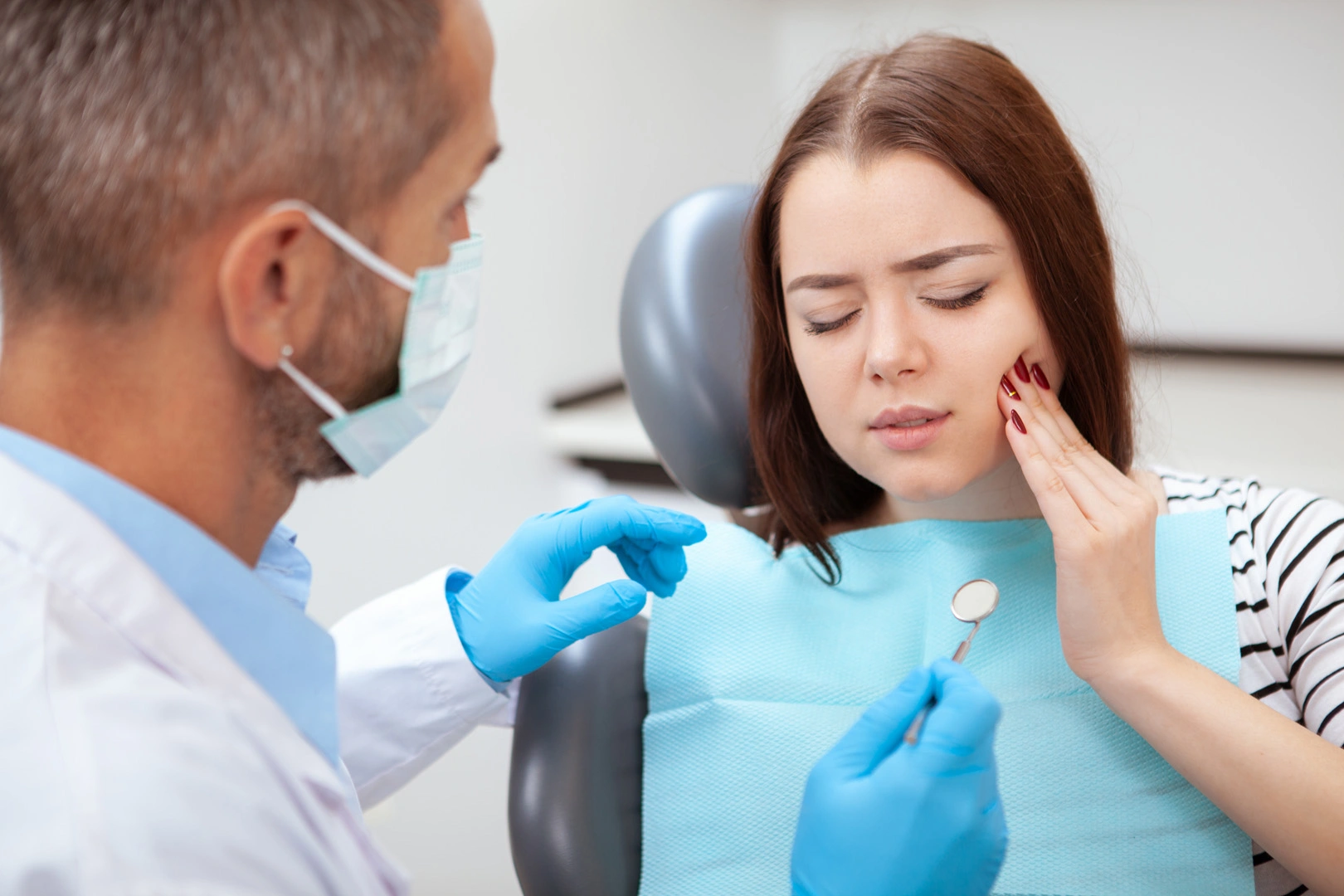
A dental emergency rarely arrives at a convenient time. It tends to happen during dinner, at a child’s hockey practice, after a weekend fall Dental Emergency Aurora on the ice, or in the middle of a workday when the nearest ice pack is a bag of frozen peas from the office freezer. In Aurora, where active families, commuters, and year round sports are part of daily life, tooth and gum injuries are not unusual. What matters most in those first few minutes is not panic, it is the right response.
People often underestimate dental injuries because they are not always dramatic. A chipped tooth may look minor but hide a crack extending toward the nerve. A bleeding gum may seem harmless but signal damage to the tissues that anchor a tooth in place. The opposite can happen too. A frightening amount of blood from a lip cut can distract from a tooth that has been knocked loose. Experience matters here, because the best first aid depends on what kind of injury occurred, how long ago it happened, the patient’s age, and whether the tooth involved is a baby tooth or an adult tooth.
When patients call about a Dental Emergency Aurora situation, the same question comes up again and again: “What should I do right now, before I get there?” The answer is usually simple, but timing is critical. A few calm, practical steps can reduce pain, lower the risk of infection, and in some cases mean the difference between saving and losing a tooth.
The first priority is not always the tooth
The mouth bleeds easily. Even a small cut can produce more blood than people expect, which is why a dental injury can look more severe than it is. Still, a person with a facial injury should first be checked for signs that go beyond dentistry. Trouble breathing, loss of consciousness, vomiting after a fall, severe facial swelling, suspected jaw fracture, or uncontrolled bleeding all raise the urgency and may require an emergency room rather than a dental chair.
If the injury happened during sports, a bicycle crash, a slip on ice, or a car accident, think bigger than the mouth. A patient who seems dazed, cannot close the jaw normally, or has obvious facial asymmetry may have a concussion or fracture. In those cases, stabilization comes first. The tooth can wait a little longer than the airway or the brain.
For dental first aid specifically, the immediate goals are straightforward: stop active bleeding, protect the injured area, control swelling, and preserve any tooth fragment or knocked out tooth if possible.
What to do in the first ten minutes
Most dental injuries improve with calm handling. The biggest mistakes usually come from rushing, scrubbing, or trying home fixes that make matters worse. Aspirin placed directly on the gum, for example, can burn soft tissue. Glue has no place in the mouth. A knocked out tooth should not be wrapped in tissue and forgotten in a pocket.
If you remember nothing else, remember this short checklist:
- Rinse the mouth gently with clean water or saline to clear blood and debris.
- Apply steady pressure with clean gauze or a damp cloth if there is bleeding.
- Use a cold compress on the cheek or lip for swelling, about 10 minutes on and 10 minutes off.
- Save any broken tooth pieces or a knocked out adult tooth in milk, saline, or the person’s own saliva.
- Call a dentist immediately for guidance and timing, especially if a tooth is loose, broken deeply, or completely out.
Those five steps cover a lot of ground. They also prevent the common instinct to do too much. Gentle handling is the rule. The tissues around a tooth are delicate, and overzealous cleaning can destroy cells that are needed for successful healing.
When a tooth is knocked out
A completely knocked out tooth, called an avulsed tooth, is one of the few true time sensitive dental emergencies where minutes matter. If it is an adult tooth, there is a real chance of saving it if the tooth is found quickly and handled correctly. The root surface is covered with living periodontal ligament cells. Those cells help the tooth reattach. Scrubbing the root, letting it dry out, or storing it improperly can sharply reduce the odds of success.
Pick the tooth up by the crown, which is the chewing surface you normally see in the mouth. Do not touch the root if you can avoid it. If the tooth is dirty, rinse it briefly with milk or clean water for a few seconds. Do not scrape it, brush it, or disinfect it. If the patient is alert and cooperative, it may be possible to place the tooth gently back into the socket right away, making sure it faces the correct direction. Then have the person bite softly on gauze to hold it in place while heading to the dentist.
If reinsertion is not possible, keep the tooth moist. Cold milk is a strong practical choice because it is easy to find and better than plain water for cell survival. Saline works well too. Some patients tuck the tooth inside the cheek, but that only makes sense for older teens or adults who can do so safely without swallowing it. For a child, that is not a safe option.
A crucial point that parents often do not know: do not reinsert a baby tooth. If a primary tooth is knocked out, forcing it back in can damage the developing permanent tooth beneath it. The child still needs prompt dental assessment, but the management is different.
The window for the best outcome on an adult tooth is often under an hour, and sooner is better. Even when more time has passed, it is still worth calling immediately. Not every case follows the textbook.
Chipped, broken, and cracked teeth
Not every broken tooth hurts right away. That is one reason people delay care. A clean chip in enamel may feel like no more than a rough edge, while a crack running deeper toward the pulp can become intensely painful over several hours as the nerve reacts to air, pressure, and temperature.
If a piece breaks off, save it if you can. Sometimes the fragment can be bonded back, particularly if it is large and relatively intact. Rinse the mouth gently and cover any sharp edge by avoiding chewing on that side. Sugar free gum is sometimes used temporarily to blunt a jagged corner, but only if the patient can keep it away from the injury and avoid swallowing it. A cleaner and more reliable temporary option is dental wax from a pharmacy.
Bleeding from the tooth itself is less common than bleeding from the surrounding gum or lip. What patients often describe as “bleeding from the tooth” is actually a laceration nearby. The danger sign with a broken tooth is not just blood, it is deep pain, sensitivity to cold air, visible pink or red tissue in the center of the tooth, or a tooth that now moves when touched. Those signs suggest a more serious fracture.
Cracks can be deceptive. A patient may say, “It only hurts when I bite and then release.” That pattern often points to a fracture line. Another may feel a sudden sharp zing with cold water but see no obvious damage. If the pain is reproducible and localized, it should not be brushed off. Some cracked teeth can be stabilized and saved. Others worsen if someone keeps chewing on them for days while hoping it will settle down.
Loose or displaced teeth need quick attention
A tooth does not need to be fully knocked out to be in trouble. Sometimes it is pushed inward, outward, sideways, or simply loosened in the socket. These injuries can affect the pulp, the ligament, and the surrounding bone. They also become harder to reposition as swelling develops.
If a tooth is visibly out of place after a blow, do not wiggle it to “test” how loose it is. Avoid biting down on it. If it has shifted slightly and the patient can close the teeth together without forcing, leave it alone and seek urgent dental care. In some cases, a dentist can reposition and splint the tooth, which gives the supporting tissues a chance to heal in the proper alignment.
Children often present differently than adults. Their bone is somewhat more forgiving, and a tooth can appear intruded, meaning pushed up into the gum, rather than simply knocked loose. That can look less dramatic from the outside, but it is not a wait and see problem.
Gum injuries, torn tissue, and bleeding that seems excessive
The gums are highly vascular, so even a modest cut can look alarming. Soft tissue injuries of the lip, cheek, tongue, and gum usually respond well to pressure. A clean piece of damp gauze held firmly on the area for ten to fifteen minutes without peeking is often enough to slow or stop the bleeding. The “without peeking” part matters. People keep lifting the gauze to check progress, which disrupts clot formation and restarts the flow.
A tongue bite can swell quickly. A lip laceration may puff up within an hour. Cold compresses help, but ice should not be applied directly to the tissue for prolonged periods. That can injure the skin or mucosa. Wrap the cold source in cloth and use intervals.
There are times when a soft tissue injury needs more than dental advice. Deep cuts, wounds that gape open, objects embedded in the tissue, and bleeding that continues despite firm pressure deserve immediate in person care. A cut that crosses the border of the lip, where the red lip tissue meets the skin, may need careful repair for both function and appearance.
The gums around a tooth can also bleed after trauma without a visible cut. That can happen when the ligament is torn or compressed. If a tooth feels high when biting, seems longer than the one beside it, or the gumline is bleeding after a blow, assume there may be deeper injury than what is visible in the mirror.
Pain control that helps without creating new problems
Pain after a dental injury is not only uncomfortable, it can make people do unhelpful things. They clench, probe with fingers, rinse too aggressively, or apply substances that irritate tissue. A measured approach works better.
For most adults, over the counter pain relief such as acetaminophen or ibuprofen can be appropriate if they normally tolerate those medications and have no medical reason to avoid them. Ibuprofen may help particularly when inflammation is part of the picture. That said, medication advice always depends on the individual’s age, medical history, pregnancy status, allergies, kidney function, and blood thinner use. When in doubt, ask the dentist or pharmacist rather than improvising.
What should not go in the mouth? Aspirin placed on the gum, alcohol as a rinse, clove oil directly into a fresh wound, hydrogen peroxide repeatedly, and any adhesive not intended for oral tissues. These old home remedies persist because someone somewhere felt temporary numbness or stinging and mistook it for treatment. Chemical burns on already injured tissue are an avoidable complication.
Toothaches that become emergencies
Not every dental emergency comes from an accident. A tooth can become acutely painful because of deep decay, infection, a failing filling, or an abscess. In Aurora, this often shows up after hours when a lingering toothache suddenly escalates into throbbing pain and facial swelling. The first aid is different than for trauma, but the urgency can be just as real.
A severe toothache with swelling, bad taste, fever, or pain when biting may signal infection. Rinsing gently with warm salt water can be soothing. Keeping the head elevated sometimes reduces throbbing. Cold compresses on the outside of the face may help if there is swelling. What does not help is placing crushed tablets against the gum, taking leftover antibiotics from a previous illness, or assuming it will “drain on its own” and be fine by Monday.
Spreading dental infection can become serious. If swelling begins to affect swallowing, speaking, or breathing, that moves beyond routine urgent dental care. It needs immediate medical attention.
Children bring a different set of decisions
Parents often feel caught between overreacting and underreacting. The challenge is that baby teeth, mixed dentition, and growing jaws change the rules. A five year old who falls into a coffee table can chip a front baby tooth with little long term consequence, or they can suffer an injury that affects the adult tooth bud underneath. The appearance alone does not always tell you which one it is.
With children, the priorities are reassurance, bleeding control, and preserving anything that may help the dentist assess the injury, including a tooth fragment or clear photo. If a baby tooth is displaced, do not try to push it back. If an adult tooth has erupted and is knocked out, timing matters just as it does for adults. The problem is that many parents are unsure whether the tooth is permanent. Front adult incisors usually erupt around ages six to eight, but there is variation. When uncertain, treat it as urgent and call right away.
One practical point from real clinical life: children may say “my tooth is loose” when what they mean is “my lip hurts” or “it tastes like blood.” A calm visual check under good light matters. So does watching how they bite together. If the front teeth no longer meet the same way they did before the injury, that is useful information for the dentist.
Sports, winter slips, and other common causes in Aurora
Local patterns matter. In a community like Aurora, sports related trauma is common, especially from hockey, basketball, soccer, skateboarding, and cycling. Winter adds icy driveways, slippery sidewalks, and face first falls. Summer brings pool decks, trampolines, and baseballs that never quite miss the mouth by enough.
Mouthguards make a measurable difference, yet many adults skip them because they associate them only with children’s sports. Adult recreational leagues produce plenty of chipped incisors and split lips. A custom fitted guard is more comfortable and protective than a generic boil and bite model, though the latter is still far better than nothing. If someone has braces, the Dental Emergency Aurora need is even greater because a blow can drive brackets and wires into the lips and cheeks.
I have seen more than one patient walk in embarrassed because the injury happened doing something ordinary, not athletic at all. One cracked a molar on a popcorn kernel during a movie night. Another slipped while carrying groceries. Dental emergencies are not a sign of carelessness. They are simply part of life, and preparation beats embarrassment every time.
Knowing whether to call a dentist or head to the hospital
This is where judgment matters most. A dentist is the right first call for many tooth and gum injuries, especially chipped, cracked, loose, or knocked out teeth, broken restorations, gum trauma, and localized swelling. A hospital becomes the better first stop when the injury may involve the jaw, airway, facial bones, or general medical stability.
Use this rule of thumb:
- Call a dentist urgently for broken teeth, knocked out adult teeth, loose teeth, lost fillings or crowns with pain, and gum injuries that are not causing uncontrolled bleeding.
- Go to the emergency room for difficulty breathing or swallowing, heavy bleeding that does not stop with pressure, suspected jaw fracture, severe facial trauma, or signs of concussion after an impact.
- Seek either immediate dental or medical care for rapidly spreading swelling, especially with fever or trouble opening the mouth.
- For children, call right away even if the injury seems minor, because the treatment for baby teeth and permanent teeth differs.
- If you are unsure, call a dental office experienced with emergency triage and describe the injury in detail. Good front desk and clinical teams can usually direct you appropriately.
That last point matters. A solid emergency phone triage can save time and prevent missteps. The most useful details are how the injury happened, whether the tooth is permanent or baby, whether anything was knocked out, how long ago it occurred, the level of pain, and whether the bite now feels different.
What happens after first aid
People often assume that once the bleeding stops and pain settles, the problem is over. Sometimes it is. Often it is not. A traumatized tooth can discolor days or weeks later. A nerve may die slowly rather than immediately. A root fracture may only become obvious on imaging. Gums can heal beautifully on the surface while deeper support remains compromised.
That is why follow up matters even when the injury seems to improve. A dentist may take radiographs, test the vitality of the tooth, check mobility, evaluate the bite, smooth sharp edges, place a splint, recommend a root canal, or simply monitor over time. There is no single script for all trauma. Two chipped front teeth can look almost identical and need very different care.
The same is true for gum injuries. A torn frenum, bruised gumline, or laceration around a tooth may heal uneventfully, or it may leave behind plaque traps, recession, or tenderness if it is not cleaned and monitored properly.
A few mistakes that are worth avoiding
Some errors appear so often that they deserve mention. Patients delay calling because “it stopped hurting.” They throw away the broken fragment. They store a knocked out tooth dry in a tissue. They test a loose tooth repeatedly with their fingers. They rinse vigorously with very hot salt water. They use temporary dental cement for a fracture that actually exposes the nerve. None of these are malicious, they are simply the kinds of decisions people make when stressed.
The better path is less dramatic. Keep things clean, cool, and moist where appropriate. Avoid pressure on the injured area. Save what can be saved. Get skilled eyes on it promptly.
Why speed and judgment matter in Dental Emergency Aurora cases
The phrase Dental Emergency Aurora is not just a search term people type in when they are in pain. It reflects a real need for local, timely care that understands both the injury and the circumstances around it. Emergency dental care is not only about fixing what is visible. It is about making early decisions that protect long term function, appearance, and comfort.
A front tooth knocked out on a Saturday morning can sometimes be back in place before lunch if the response is quick and correct. A deep toothache with facial swelling can often be stabilized before it escalates into a medical problem. A child’s gum injury can be evaluated in a way that protects the permanent tooth still developing underneath. These are not small wins. They change outcomes.
When a tooth or gum injury happens, the first few minutes do not need perfection. They need calm, clean hands, sensible steps, and prompt professional advice. That combination does more than most people realize.
Aspenwood Dental Associates and Colorado Dental Implant Center
2900 S Peoria St Ste C, Aurora, CO 80014, United States
+1 303-731-4037
FAQ About Dental Emergency Aurora
What qualifies as a dental emergency?
A dental emergency is any oral injury or condition that involves severe pain, uncontrolled bleeding, or a potential infection that puts a tooth or your overall health at risk.
Can the ER do anything for a tooth?
AI Overview An emergency room (ER) cannot fix or pull a tooth, perform root canals, or provide long-term dental care, because most ERs do not have dentists on staff.
What is the 3-3-3 rule for tooth infection?
The 3-3-3 rule for a tooth infection or severe toothache is a short-term over-the-counter pain management strategy. It involves taking 600 mg of ibuprofen (typically three 200 mg tablets) 3 times a day for no more than 3 days.